🏮 Beijing Hutong Culture: A Local Walking Guide
To truly understand Beijing, you must step into its Hutongs—the city's soul. These narrow alleys, lined with Siheyuan (courtyard houses), preserve centuries of legends and authentic lifestyle.
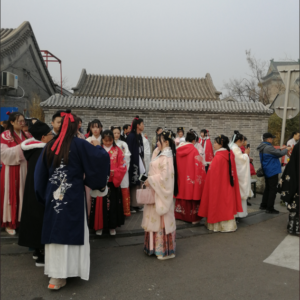
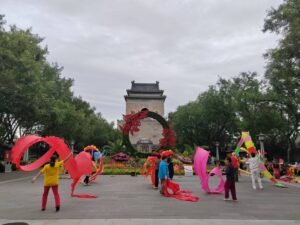
💡 What is a Hutong?
Originating from the Mongolian word for "water well," Hutongs are vibrant residential neighborhoods. Walking through them is like traveling back to an era of communal, slow-paced life.
Originating from the Mongolian word for "water well," Hutongs are vibrant residential neighborhoods. Walking through them is like traveling back to an era of communal, slow-paced life.
🏠 Hutong Reality
Witness local life: elders playing chess and neighbors chatting. Authenticity: Many areas still use communal facilities, maintaining a lifestyle built on history.
🚲 Immersive Ways
The best way to explore? On foot or by rickshaw. For the ultimate pulse, we can arrange a home-cooked meal with a local family.
🤝 Respect & Etiquette
These are private homes. Please do not knock on doors or enter courtyards without invitation. Keep noise levels low to respect the peace.
🚶 Where to Explore the Best Hutongs?
Shichahai Area: Famous for lakes and the most well-preserved imperial alleys.
Nanluoguxiang: A vibrant blend of traditional architecture and modern boutiques.
Wudaoying: The "hipster" Hutong, filled with lovely cafes and a quieter vibe.
📍 Strategic LocationConcentrated in Dongcheng & Xicheng. Many are a 10-min walk from the Forbidden City.
🚇 Getting ThereSubway Lines 2, 4, 5, and 6 serve all major Hutong districts.
🎟️ Tickets & FeesGeneral walking is FREE. Rickshaw tours and family visits carry a fee.
⏰ Best TimeVisible 24/7, but we recommend daylight hours (1–2 hours total).
📅 Want an Authentic Hutong Experience?
Let Eugene's team guide you through the hidden backstreets and arrange a private courtyard visit.
📩 Plan My Hutong Walking Tour